📏
Distance
How far the charger sits from the panel, and whether wire runs through attic, walls or underground.
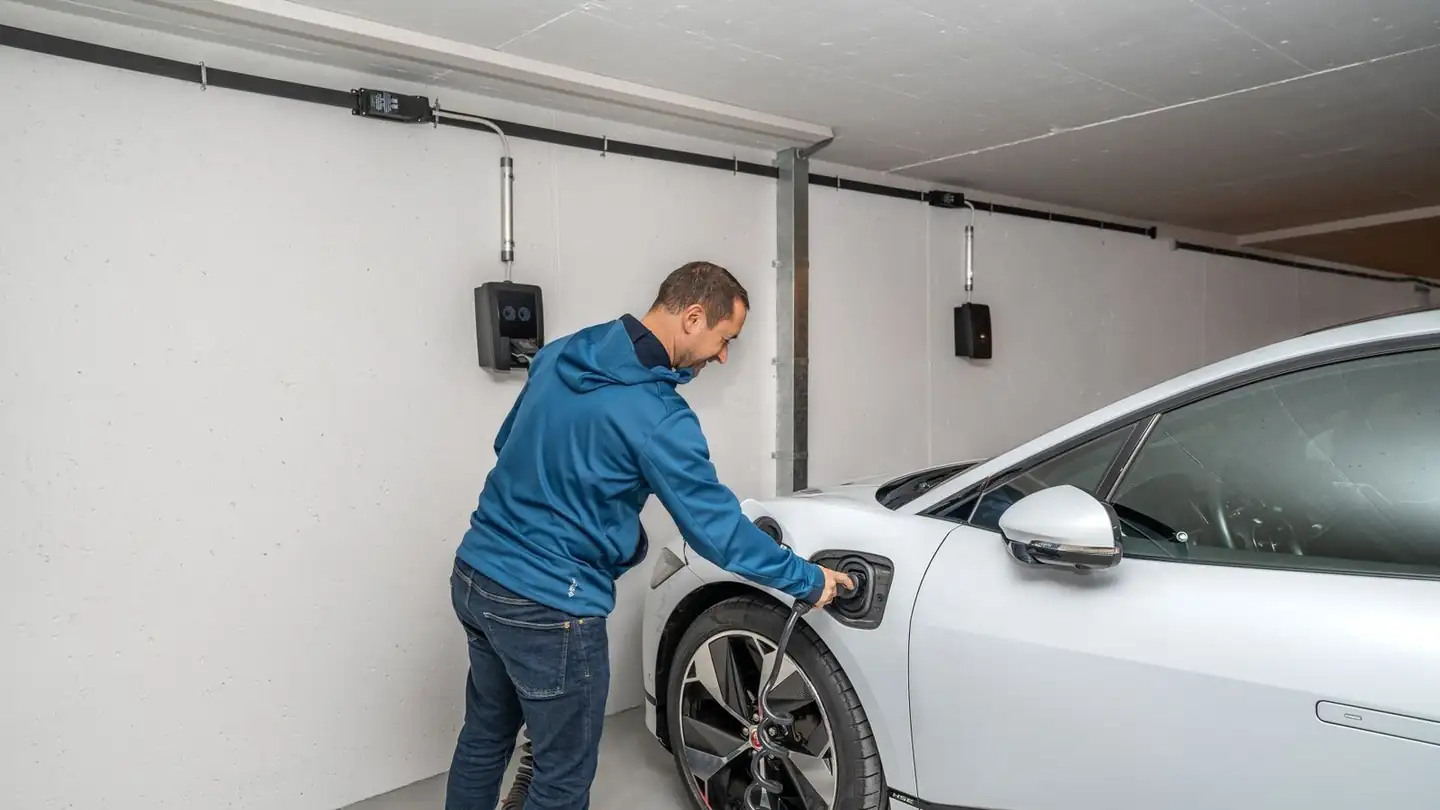

Wake up to a full battery every morning. We connect Santa Ana drivers with licensed local electricians for EV charger installation in Santa Ana, from a simple 240-volt outlet in the garage to a hardwired Tesla Wall Connector, with the panel check and permit handled the right way.
Every EV comes with a cord that plugs into a regular outlet. It works, but slowly. Most drivers who charge at home every day end up adding a Level 2 charger.
| Level 1 (120-volt) | Level 2 (240-volt) | |
|---|---|---|
| Outlet | Standard household outlet | Dedicated 240-volt circuit, plug-in or hardwired |
| Miles added per hour | About 3 to 5 | About 20 to 40, depending on the car and charger |
| Full charge overnight? | Only for short daily driving | Yes, for most drivers |
| Installation | None, if the outlet is in good shape | New circuit, breaker and often a permit |
A Level 2 EV charger installation adds a dedicated 240-volt circuit from your panel to the charger, usually 40 to 60 amps. The electrician checks that your panel has room, runs the right size wire, installs the breaker and charger, and tests it with your car.
Every home and parking spot is different. These are the setups Santa Ana drivers call about most.
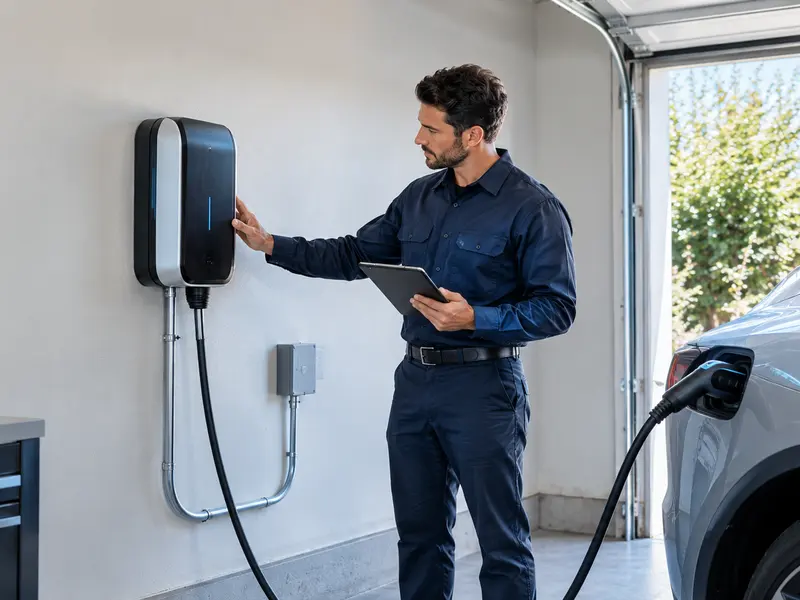
The most common setup: a charger on the garage wall close to the panel, out of sun and rain.
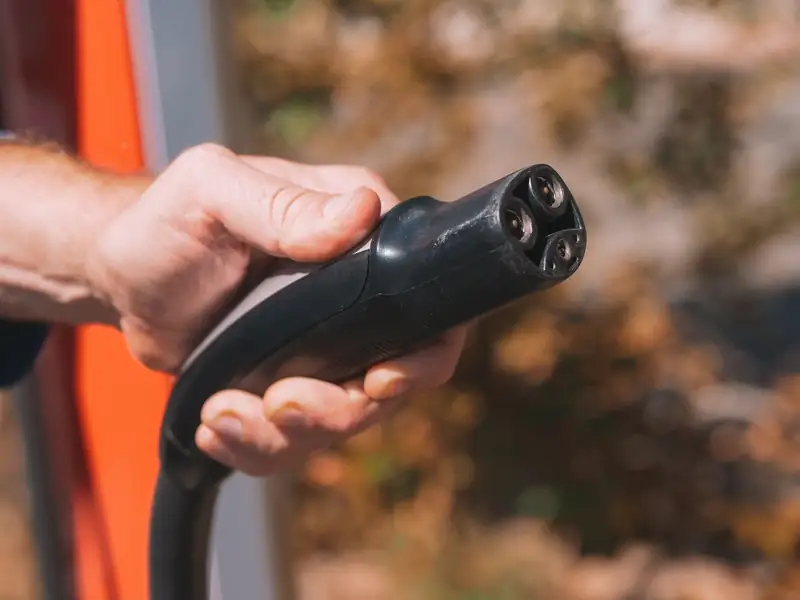
A 240-volt plug-in outlet for a portable or plug-in charger. Flexible if you may change chargers later.
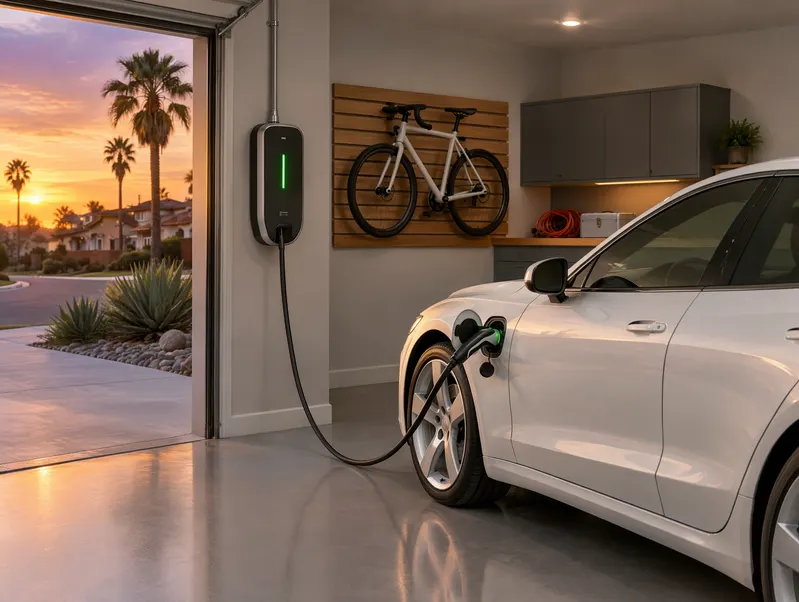
Tesla Wall Connector and other hardwired units, often allowing faster charging and a cleaner install.
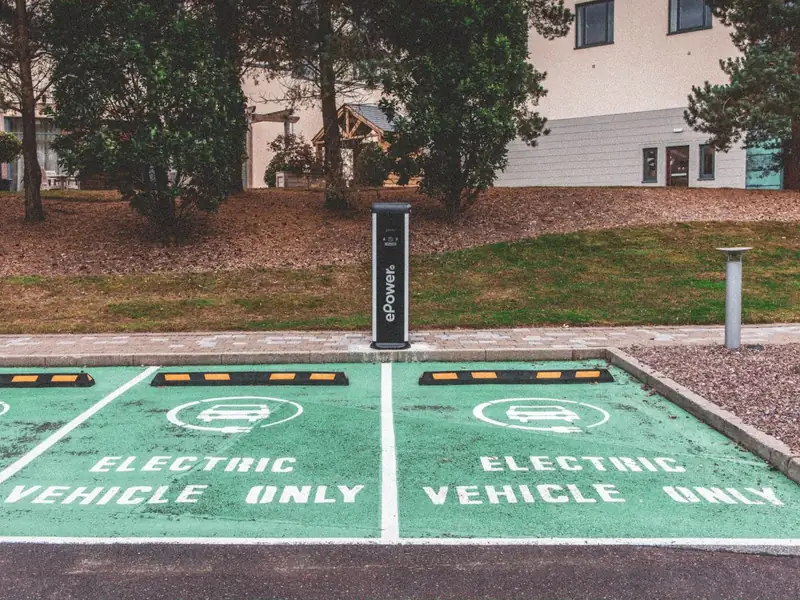
Outdoor-rated chargers on an exterior wall or post, with weatherproof wiring and GFCI protection where required.
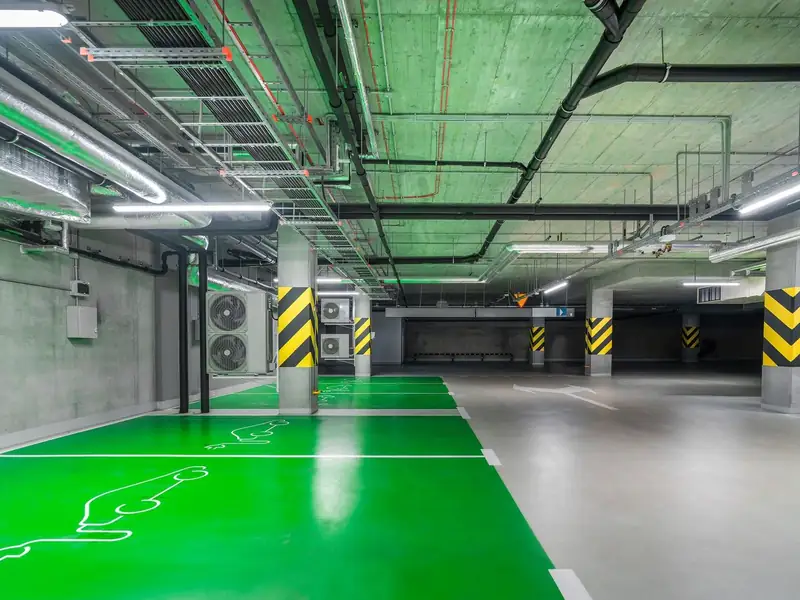
Chargers in shared garages, connected to your own meter or a house panel, coordinated with the HOA or owner.
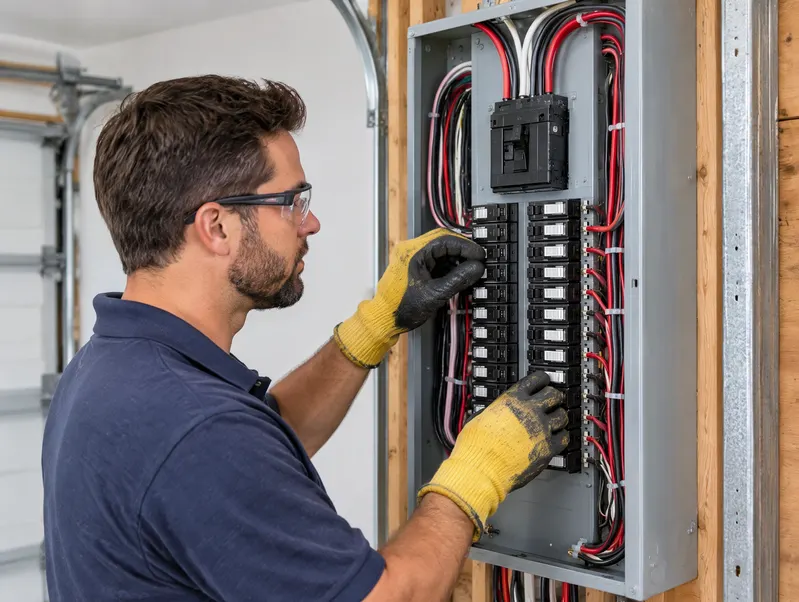
Not sure your panel can handle a charger? A load calculation tells you, before you buy anything.
Tesla owners have two good home options. A Tesla Wall Connector installation is hardwired and can charge faster, while a NEMA 14-50 outlet lets you plug in the Mobile Connector. Here’s how they compare.
Hardwired on a dedicated circuit, often up to 48 amps of charging. Works with Tesla and, with the right adapter or version, other EVs.
A 240-volt outlet for the Mobile Connector or other plug-in chargers. Usually a bit slower, and the outlet must be a heavy-duty, properly rated type.
Two Wall Connectors can share one circuit and split power, so both cars charge without a bigger panel.
Most non-Tesla EVs use the same Level 2 approach with the charger brand of your choice.
Most installs are simple. The steps below make sure the charger is safe, code-compliant and fast.
Tell us your car, the charger you have or want, and where you park.
The electrician checks panel space and runs a load calculation to size the circuit.
Most new EV circuits need a City of Santa Ana electrical permit.
New breaker, wire run and charger or outlet, mounted at a comfortable height.
The charger is set to the right amperage and tested with your car.
The city inspects the work, and you’re ready to charge every night.
Many older Santa Ana homes have 100-amp service, and some still have fuse boxes. A Level 2 charger is a big, long-running load, so the electrician checks before adding it. You often have more options than a full upgrade:
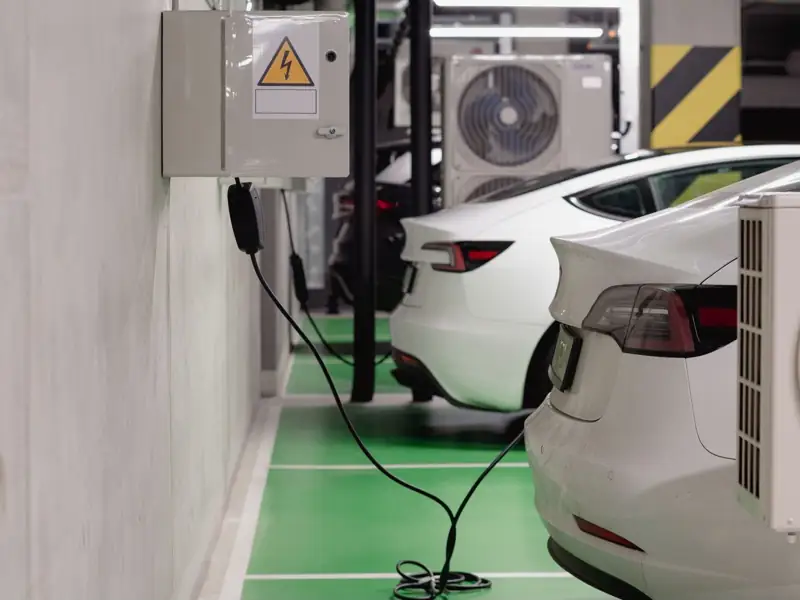
California law gives many condo owners and renters the right to install an EV charger for their own parking space, as long as reasonable conditions are met. It still takes planning.
| Step | What to expect |
|---|---|
| Ask the HOA or landlord | Submit a written request. They can set reasonable rules, like using a licensed contractor and carrying insurance. |
| Find the power source | Your unit’s own panel or meter is usually the simplest. Shared garages may need a new circuit or subpanel. |
| Plan the wire route | Long runs through shared garages may need conduit and careful routing. |
| Permit and approval | The contractor pulls the permit, and the HOA may need to review the plan first. |
We don’t post fixed prices, because every home is different. The electrician gives you a written quote after checking your panel and parking spot.
How far the charger sits from the panel, and whether wire runs through attic, walls or underground.
A home with spare capacity is simpler. Load management or a panel upgrade adds to the job.
Plug-in outlet or hardwired charger, indoor or outdoor-rated, and permit requirements.
Southern California Edison, the state and charger makers sometimes offer rebates or credits for home charging. Programs change often, so check current offers with SCE and your charger brand before you buy, and keep your permit and receipts.
We take calls from every Santa Ana ZIP code: 92701, 92703, 92704, 92705, 92706 and 92707, from older homes in Floral Park and French Park to condos and townhomes near South Coast Metro.
Related: panel upgrades · 240-volt outlets · commercial EV charging · backup power
Quick answers about permits, panels, condos and charger types. Have a question about your setup? Call us.
📞 Call (714) 880-7344A straightforward garage install near the panel often takes a few hours. Longer wire runs, outdoor or underground routes, or panel work can take a day or more. Permits and the city inspection add some time.
Yes, a new 240-volt EV circuit usually needs a City of Santa Ana electrical permit and inspection. Your contractor normally pulls it. A permit also helps with insurance, rebates and selling your home later.
Not always. Many homes have enough capacity, and others can use a lower charger setting or load management. A load calculation by the electrician tells you which applies to your home.
A hardwired charger such as the Tesla Wall Connector can charge faster and avoids wear on a plug. A NEMA 14-50 outlet is flexible if you may switch chargers. Either way, it should be on a properly sized dedicated circuit.
Often, yes. California law gives many condo owners and renters the right to install a charger for their parking space under reasonable conditions. Start with a written request to your HOA or landlord.
Yes. Many chargers are rated for outdoor use. The electrician uses weatherproof wiring and mounting and places it where the cable reaches your charging port easily.
Tell us your car, your charger and where you park. We’ll connect you with a licensed electrician for EV charger installation in Santa Ana, with the price confirmed after a panel check and before work starts.