🔁
Self-test
Weekly: Standby units run a short test on their own. Listen for it and watch for warning lights.
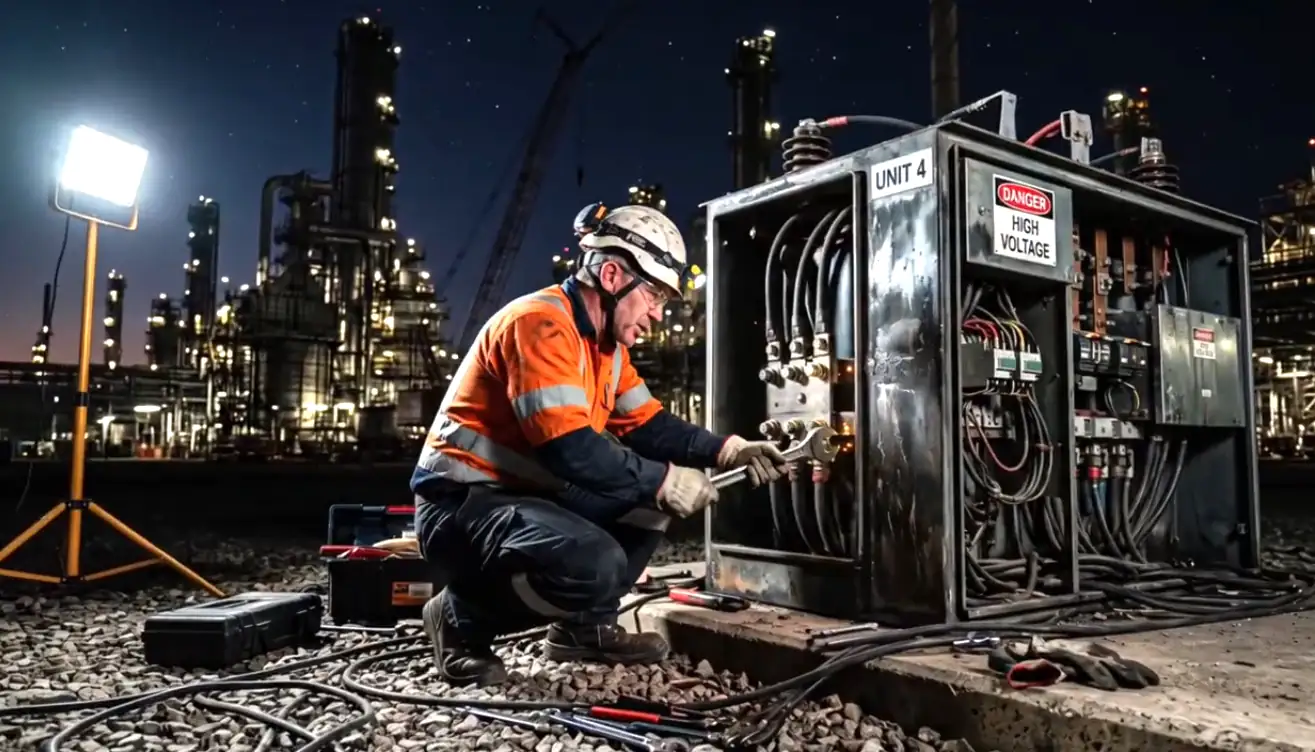

We help Santa Ana homeowners keep the lights, fridge, AC and medical equipment running through every outage. Our generator installation in Santa Ana connects you with a licensed local electrician who sizes, installs and wires standby or portable backup power the safe way.
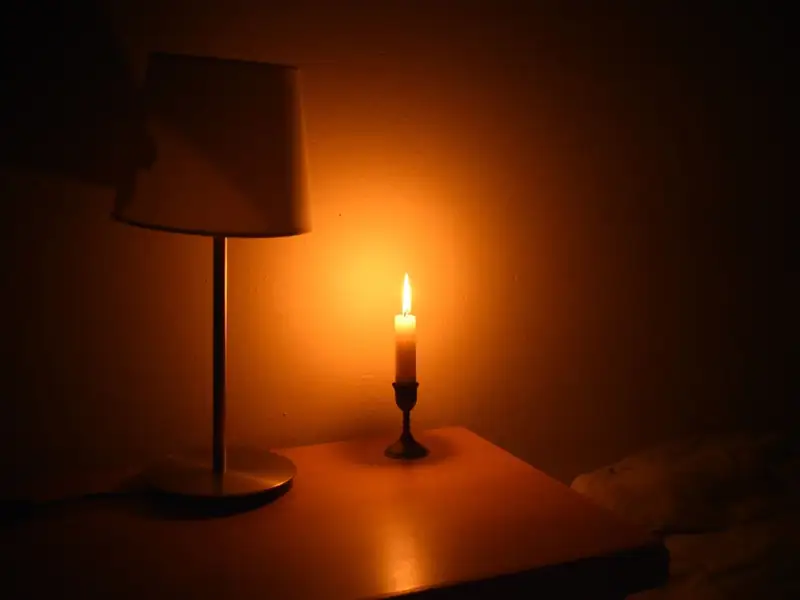
Heat waves, windstorms, winter storms and grid emergencies can all cut power across Orange County, sometimes for hours. For most families, an outage is an inconvenience. For some, it’s serious.
Backup power is more than the generator itself. These are the jobs Santa Ana homeowners and small businesses call about most, from a first install to keeping an older unit ready.
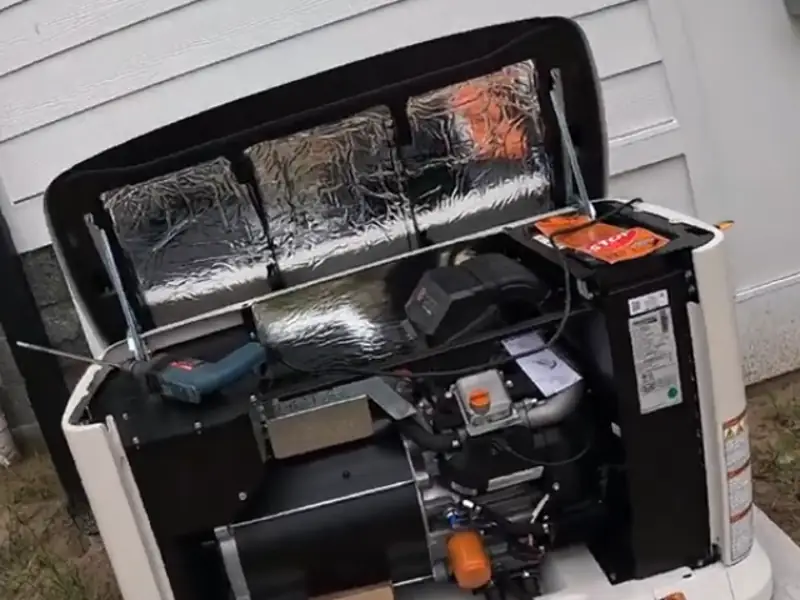
Permanent units that start on their own within seconds of an outage and run on natural gas or propane.
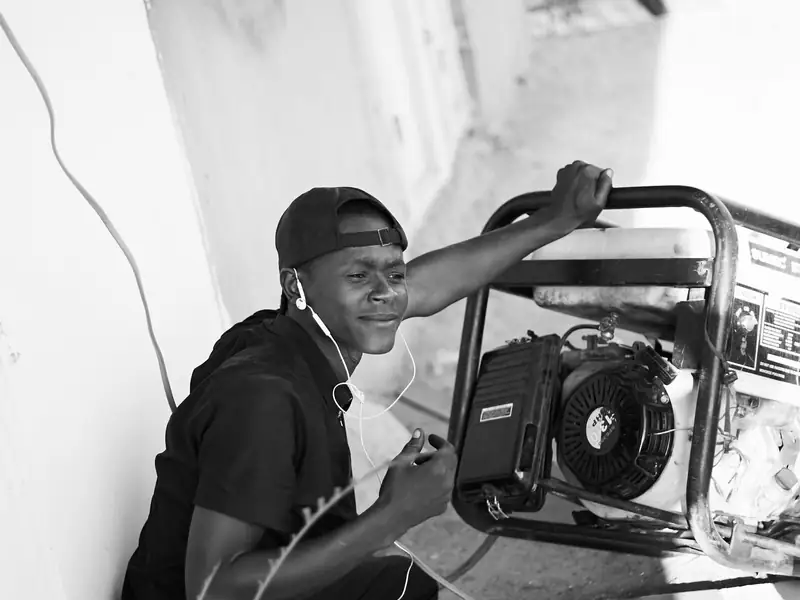
A weatherproof power inlet outside and a safe connection to the panel, so a portable unit can run your key circuits.
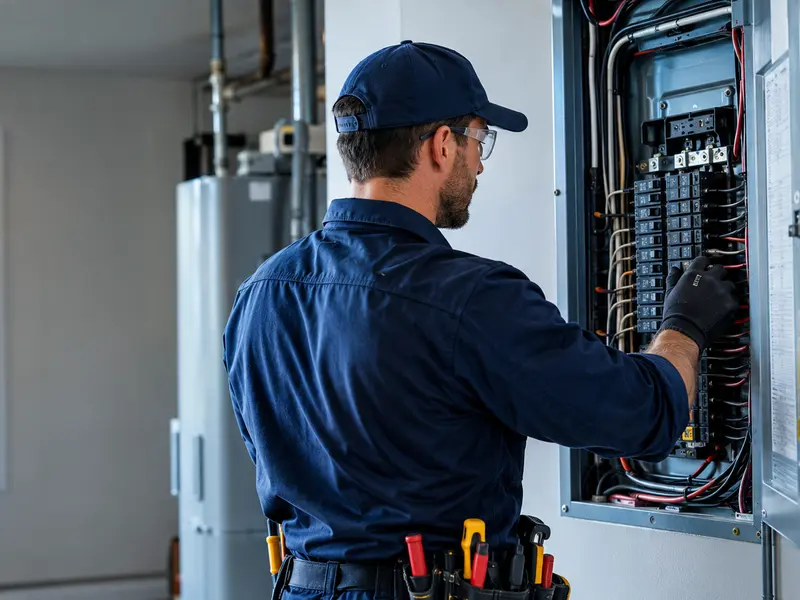
Automatic or manual switches and interlock kits that keep generator power and utility power safely apart.
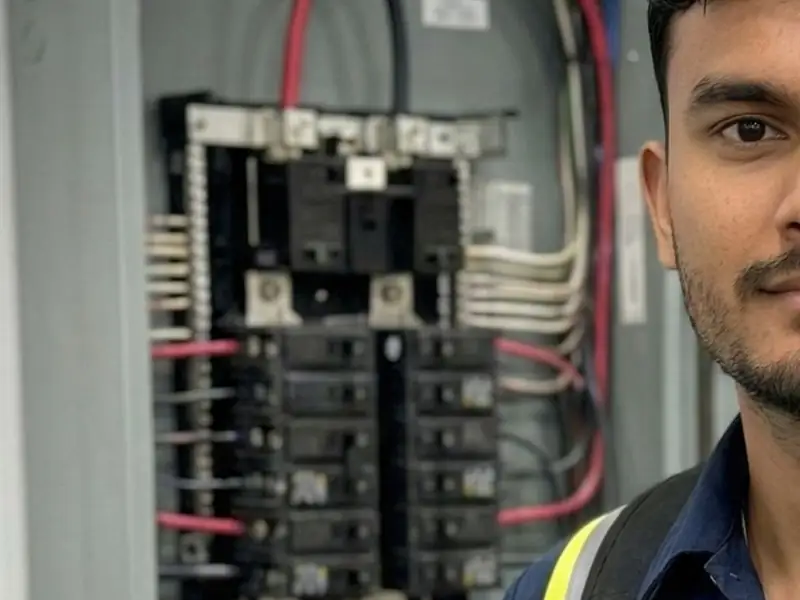
A room-by-room look at what you want to run, so the generator is neither too small nor oversized.
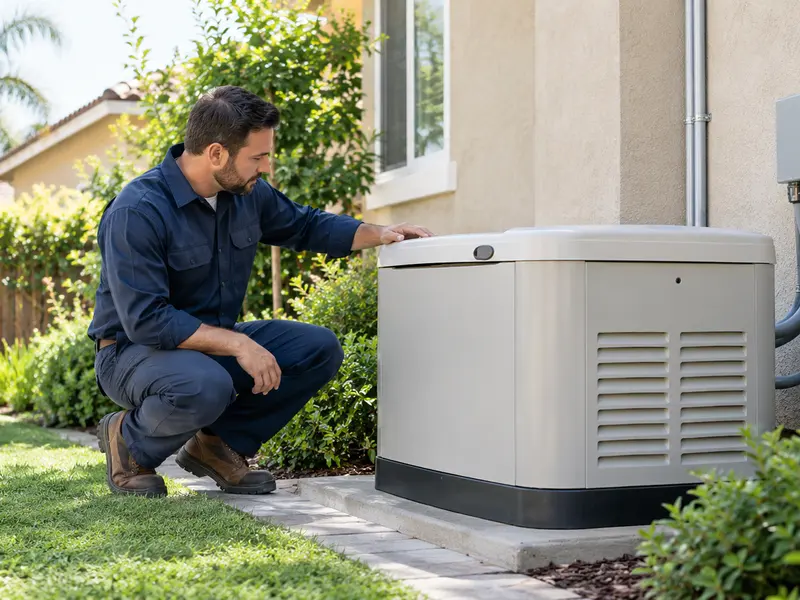
Oil, filters, battery and test runs so the unit is ready when the next outage comes.
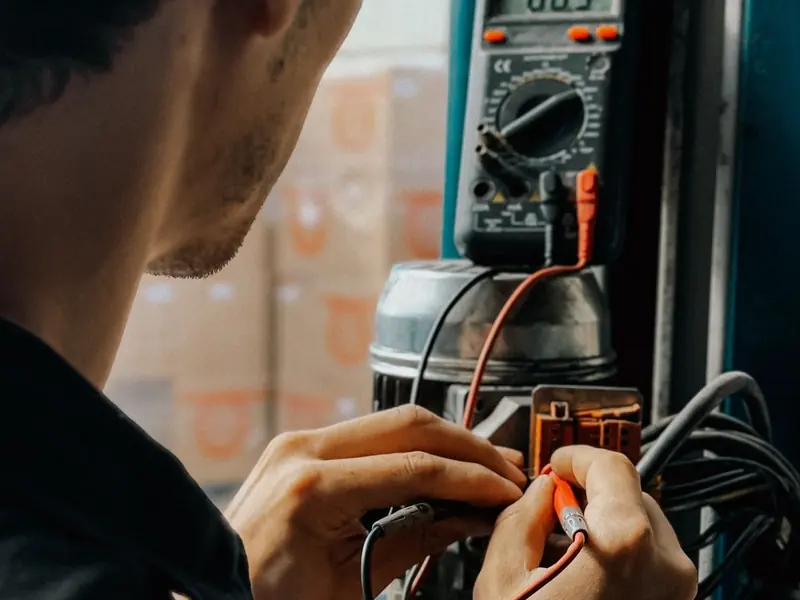
Units that won’t start, show error lights, or don’t switch over when the power goes out.
There are two main ways to get backup power. A whole house generator installation gives you automatic power for most or all of your home. A portable hookup is a lower-cost way to run a few key circuits safely.
| Standby (whole house) | Portable with inlet | |
|---|---|---|
| How it starts | Automatically, within seconds of an outage | You roll it out, start it and plug it in |
| Fuel | Natural gas or propane, no refueling | Usually gasoline, refuel every several hours |
| What it powers | Selected circuits up to the whole home, including central AC | A handful of circuits you choose |
| Connection | Automatic transfer switch | Power inlet box plus an interlock kit or manual transfer switch |
| Install | Concrete or composite pad, gas line, wiring, permits | Inlet and interlock installed by an electrician |
Every generator connected to a home needs a way to keep generator power and utility power apart. This is what protects line workers, your neighbors and your equipment.
Used with standby generators. It senses the outage, starts the generator and moves your circuits over, then switches back when utility power returns.
A small panel with switches for the circuits you choose. You flip them over to generator power when you need it.
A mechanical plate on your main panel that stops the main breaker and generator breaker from being on together, fed from an outdoor power inlet.
Smart modules that pause big loads like AC or a dryer for a moment, so a smaller generator can still power the whole home.
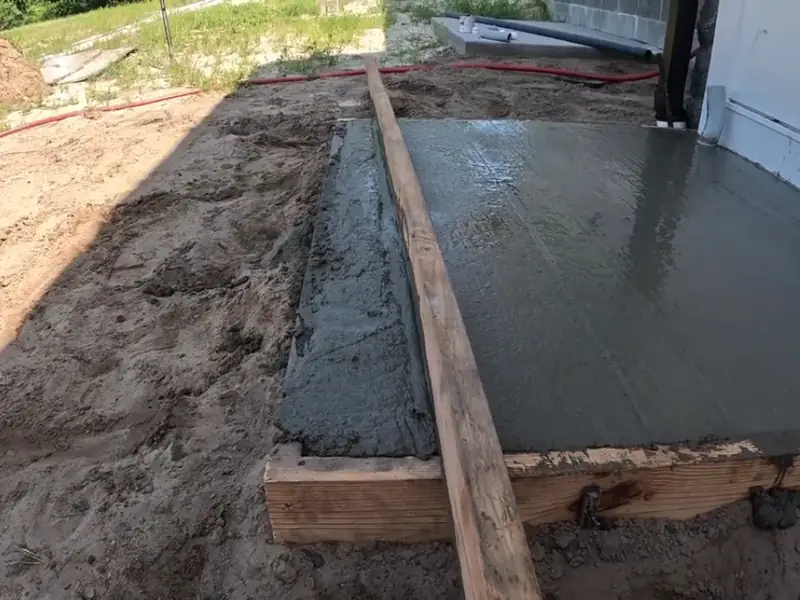
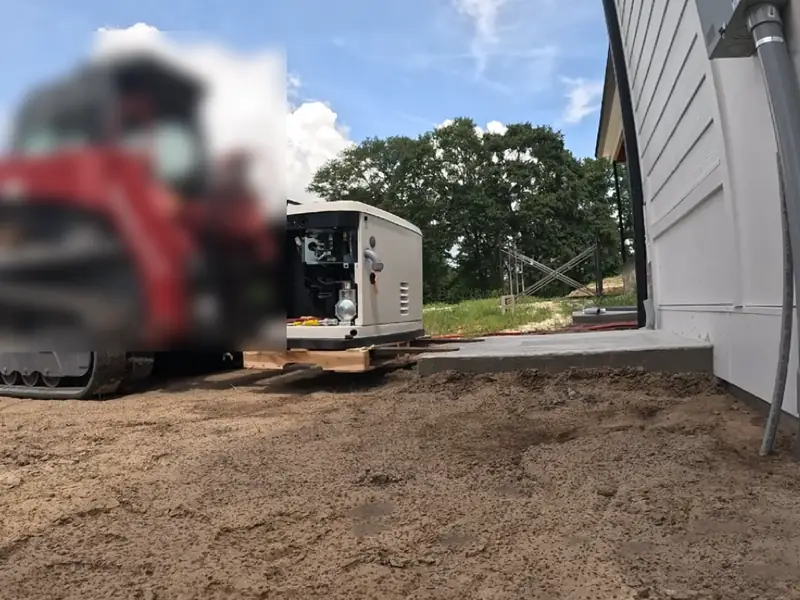
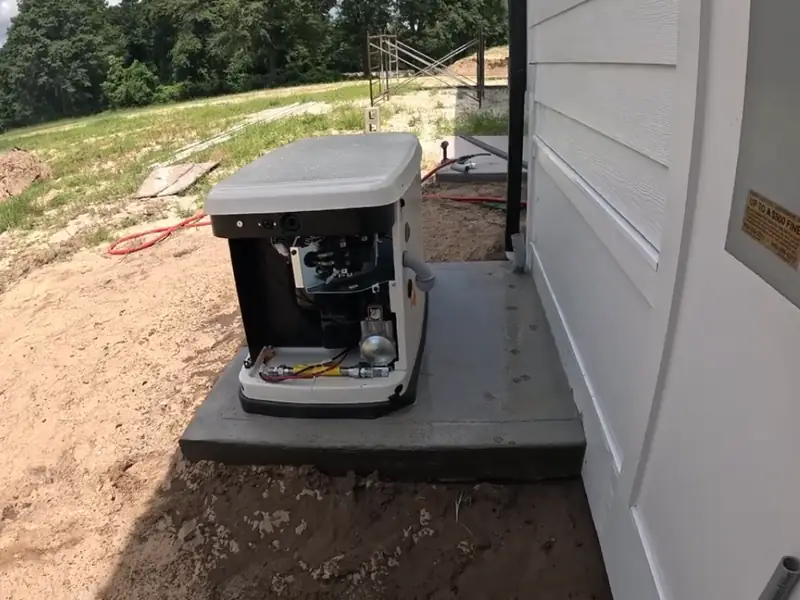
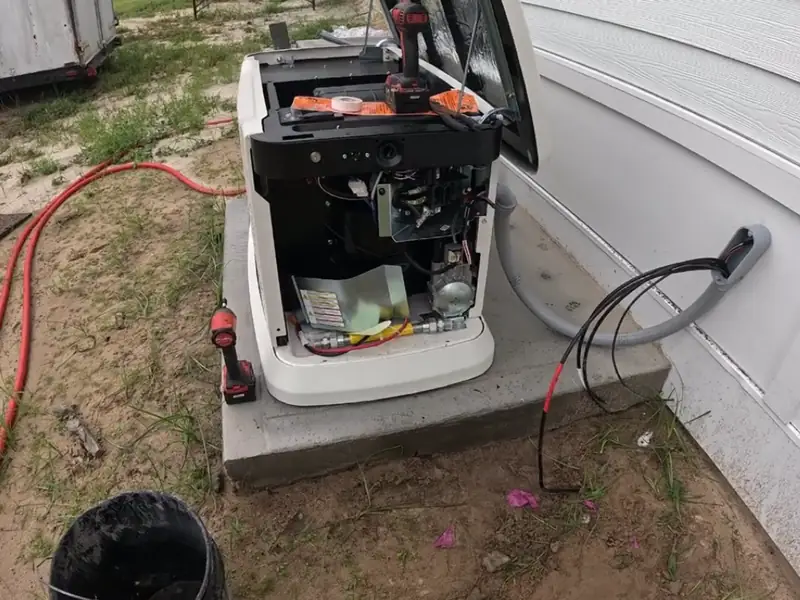
Here’s what a standby generator installation really looks like, using photos from an installation job. Each step is done for a reason, so the unit runs safely for years.
Here’s how a typical project moves from the first phone call to a system you can count on.
Tell us what you want to keep running, your fuel type and where the panel and gas meter are.
The electrician checks your panel, gas supply and placement options and sizes the system with a load calculation.
City of Santa Ana electrical and gas permits are pulled before work starts.
A level pad is set and the gas line is run and sized for the generator.
The unit is placed, wired to the transfer switch, and tested under load.
The city inspects the work, and you get a walkthrough of how it runs and what upkeep it needs.
Size depends on what you want to run during an outage. An electrician confirms it with a load calculation, but these ranges help you plan.
Fridge, freezer, lights, internet, furnace fan, garage door and a few outlets.
Essentials plus central AC (in many homes), cooking and laundry.
Larger homes with several AC units, electric cooking and other big loads.
A few chosen circuits through an inlet and interlock kit.
Where a generator sits matters as much as how big it is. These are the rules a good installer follows.
| Rule | Why it matters |
|---|---|
| Clearance from windows, doors and vents | Exhaust contains carbon monoxide. Manufacturers and code set minimum distances so fumes can’t get inside. |
| Room for service and airflow | Units need open space around them to cool properly and to be serviced. |
| Property line and neighbor setbacks | Local rules can limit how close the unit sits to lot lines, and noise carries in tight neighborhoods. |
| Never run a portable indoors | Not in the garage, a carport or near an open window. Carbon monoxide can build up quickly. |
| Working CO alarms | Keep carbon monoxide alarms on every level of the home, especially with any fuel-burning equipment. |
A generator that sits for months has to work the moment the power fails. Simple upkeep makes the difference.
Weekly: Standby units run a short test on their own. Listen for it and watch for warning lights.
Yearly: Oil and filter change, spark plugs, battery check and a test under load, or as the manufacturer recommends.
Watch for: Missed self-tests, error codes, hard starting, a weak battery, or a transfer switch that doesn’t switch over.
Portables: Run it monthly, use fresh or stabilized fuel, and store it dry and out of the house.
Every home and fuel setup is different, so we don’t post fixed prices. The electrician gives you a written quote after a site visit, because gas line runs, panel space and permit requirements change the job.
The simplest setup. Price depends on the inlet location, the panel and the type of transfer equipment, plus the portable generator itself.
The biggest investment. The unit size, pad, gas line, transfer switch and permits all shape the final quote.
Maintenance visits and repairs are priced per visit and depend on the problem and any parts needed.
The cost to install a whole house generator is clearest after a site visit. Call and we’ll connect you with an electrician who can give you a written quote.
We take calls from every Santa Ana ZIP code: 92701, 92703, 92704, 92705, 92706 and 92707, including Downtown, Floral Park, French Park, Wilshire Square, Park Santiago and South Coast Metro.
Related: panel upgrades · emergency electrician · EV charger installation · commercial electrician
Quick answers about permits, sizing, safety and upkeep. Have a question about your home? Call us.
📞 Call (714) 880-7344The install itself usually takes one to three days once the pad is ready. Permits, gas utility coordination and inspections add time before and after, so it’s best to plan well before outage season.
Yes. A standby generator usually needs City of Santa Ana electrical and gas permits, and placement must meet clearance rules from windows, doors and property lines. Your contractor normally handles the permits.
Yes, but only through a power inlet with an interlock kit or a transfer switch installed by an electrician. Never plug a generator into a wall outlet; backfeeding can injure utility workers and damage equipment.
A properly sized standby generator can, often with a load manager or soft-start on the AC. Portable generators usually can’t run central AC. A load calculation tells you what your home needs.
Standby units run a short self-test every week. Most manufacturers recommend a service visit about once a year, or after a set number of run hours, to change oil and filters and check the battery.
It depends. Batteries are quiet and work well with solar but run out on long outages. Generators can run for days on natural gas. Some homes use both. An electrician can help you compare.
Tell us what you want to keep running and what fuel you have. We’ll connect you with a licensed electrician for generator installation in Santa Ana, with the price confirmed after a site visit and before work starts.